
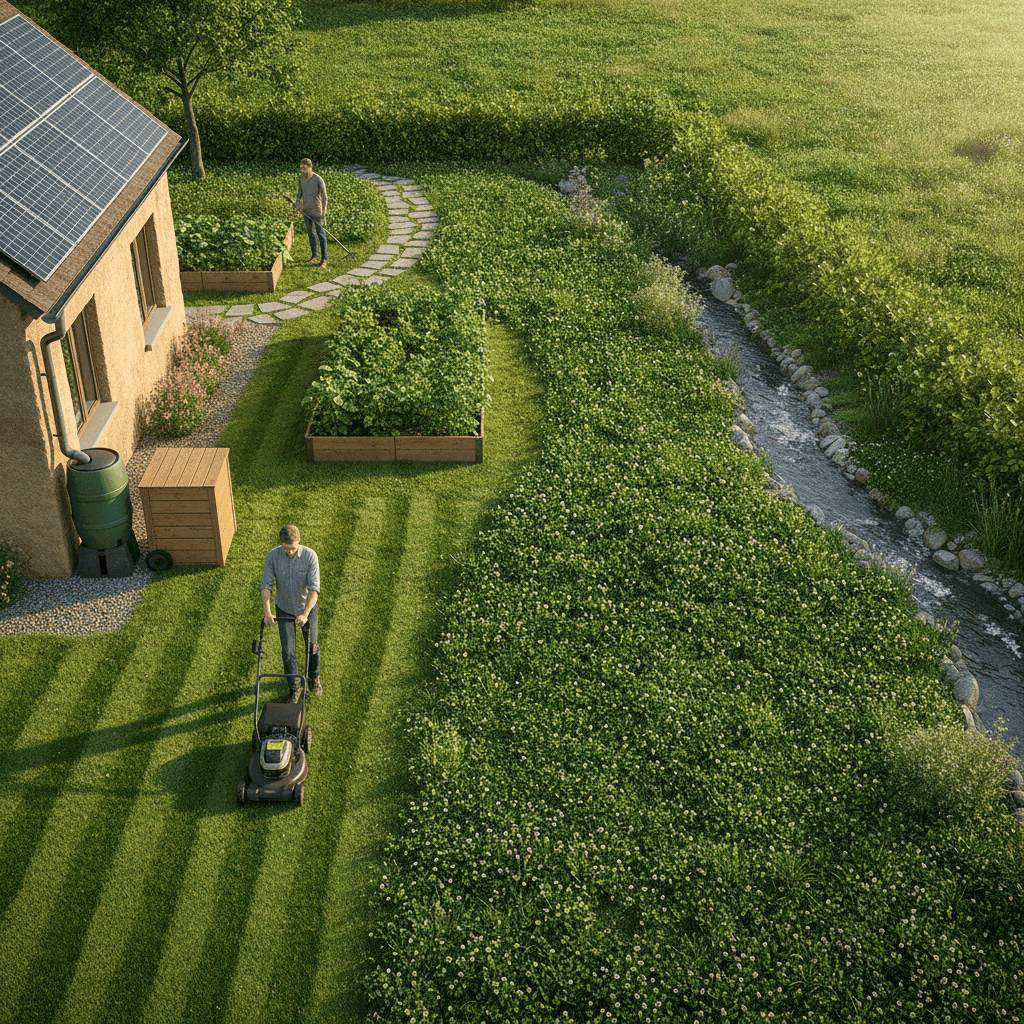
As property owners, we all want to maintain beautiful and functional spaces. We also understand the increasing importance of living in harmony with our environment. This growing awareness has led many to embrace eco friendly property maintenance strategies.
I have seen firsthand how integrating sustainable practices can transform a property. These methods not only reduce our ecological footprint but they also offer long-term financial benefits. We can create healthier living environments for ourselves and for future generations.
Today I want to share some practical and effective ways to adopt green habits. These strategies span various aspects of property care. They will help you make a positive impact on your home and the planet.
Embracing Sustainable Landscaping Practices
Our gardens and outdoor spaces offer a wonderful opportunity to implement eco friendly practices. I always start by recommending native plants. These species are naturally adapted to the local climate so they require less water and fewer fertilizers. This reduces reliance on external resources and supports local biodiversity.
Consider a rain garden. This feature captures stormwater runoff and allows it to soak into the ground. It helps filter pollutants and reduces erosion. You also save on your water bill because you are using less municipal water.
Another area I focus on is organic gardening. This means avoiding synthetic pesticides and herbicides. These chemicals can harm beneficial insects birds and even pets. They can also leach into the soil and water systems. Instead I advocate for natural alternatives and healthy soil practices.
Composting for Healthier Soil
Composting is a simple yet powerful way to manage yard and kitchen waste. I encourage everyone to start a compost pile. It turns organic materials into nutrient-rich soil amendment. This reduces landfill waste and enriches your garden naturally.
When you add compost to your soil you improve its structure and water retention. It provides essential nutrients for plants without the need for chemical fertilizers. This creates a vibrant ecosystem in your garden and keeps your plants happy.
Smart Water Management for Your Property
Water conservation is a cornerstone of eco friendly property maintenance strategies. I have observed that many homes use more water than necessary. Simple changes can make a big difference. We can conserve this precious resource by being mindful of our usage.
One primary area for improvement is irrigation. Drip irrigation systems deliver water directly to plant roots. This minimizes evaporation and runoff. You can also install smart irrigation controllers. These systems adjust watering schedules based on weather conditions and soil moisture levels. This ensures plants receive just the right amount of water. It prevents overwatering and waste.
Rainwater harvesting is another excellent strategy. I often suggest installing rain barrels or larger cisterns. These collect rainwater from your roof. This water can then be used for irrigating plants washing cars or even flushing toilets. It reduces your reliance on treated tap water. This saves money and energy.
Maintaining Efficient Plumbing Systems
Leaks can waste thousands of gallons of water each year. I always advise regular checks of all plumbing fixtures. Look for drips in faucets and showerheads. Check for leaks in toilets and irrigation lines. Even small leaks add up over time.
Fixing leaks promptly is a crucial part of water conservation. Installing low-flow fixtures also helps. These include low-flow showerheads and toilets. They significantly reduce water consumption without sacrificing performance. This is a simple upgrade that yields big benefits.
Boosting Energy Efficiency with Upgrades
Reducing energy consumption is vital for an eco friendly home. It lowers utility bills and decreases your carbon footprint. I often start by assessing a home’s insulation. Proper insulation in attics walls and floors keeps your home warm in winter and cool in summer. This reduces the workload on your heating and cooling systems.
Replacing old windows with energy-efficient models is another impactful upgrade. Double or triple-paned windows reduce heat transfer. They block drafts so they help maintain a consistent indoor temperature. This means your HVAC system does not have to work as hard. You save a lot of energy over the years.
Smart thermostats are also incredibly effective. These devices learn your preferences and adjust temperatures automatically. You can control them remotely using your phone. This ensures you are not heating or cooling an empty house. It is a convenient way to manage energy use.
Switching to LED Lighting
Lighting accounts for a significant portion of household energy use. I always recommend replacing incandescent bulbs with LED lights. LEDs use much less electricity. They also last significantly longer than traditional bulbs. This means less frequent bulb replacements.
While the initial cost of LEDs might be higher the savings on energy and replacement bulbs make them a smart investment. It is a simple swap that has an immediate positive impact. You will see the difference on your electricity bill.
Natural Pest Control Solutions
Pest management is a critical part of property maintenance. However using harsh chemical pesticides can harm the environment and your family. I advocate for natural pest control solutions. These methods keep pests away without introducing toxic substances into your home or garden.
Integrated Pest Management or IPM focuses on prevention and non-chemical interventions first. This involves practices such as sealing cracks and crevices in your home’s foundation and walls. It also means maintaining a clean kitchen and storing food properly. These steps reduce access points and food sources for pests.
I also advise using beneficial insects in your garden. Ladybugs and lacewings prey on common garden pests like aphids. Planting herbs like mint basil and rosemary can naturally repel certain insects. These plants act as barriers. They help protect your garden organically.
For persistent pest issues, I have found that traps and physical barriers are effective. You can use sticky traps for flies or rodent traps in specific areas. These target pests directly without broadcasting chemicals. Understanding what attracts pests allows us to address the root cause. This leads to more effective and sustainable pest control for homeowners. We keep our homes healthy and pest-free naturally.
Effective Waste Reduction and Recycling Programs
Managing waste responsibly is an essential part of eco friendly property maintenance. I emphasize the importance of the “reduce reuse recycle” hierarchy. First we aim to reduce the amount of waste we produce. This means choosing products with minimal packaging. It also means buying durable items that will last a long time.
Reusing items is the next step. Before throwing something away think about whether it can be repurposed. Old jars can become storage containers. Furniture can be refurbished instead of replaced. This creativity saves resources and reduces waste.
Recycling is also incredibly important. I recommend setting up clear and convenient recycling stations in your home. Separate plastics paper glass and metals. Make sure everyone in the household understands the recycling guidelines. Contact your local waste management facility to learn about specific rules. Proper sorting is key to effective recycling. It ensures materials can be processed and reused.
Donating and Upcycling Unwanted Items
Before discarding items consider donating them. Clothes books furniture and electronics can often find a second life with someone else. This extends the lifespan of products and prevents them from ending up in landfills. It also helps those in need.
Upcycling takes reusing a step further. It transforms old items into new products of higher value. An old wooden palette could become a coffee table. Outdated clothing might become a stylish bag. These efforts encourage creativity. They also contribute to a circular economy. We minimize waste and maximize resource utility.
Choosing Green Cleaning Products
Conventional cleaning products often contain harsh chemicals. These chemicals can be detrimental to indoor air quality and our health. They can also harm waterways when they go down the drain. I strongly advocate for green cleaning products.
Many effective eco friendly cleaners are available today. Look for products that are biodegradable. They should also be free of phosphates chlorine and synthetic fragrances. Labels like “EcoCert” or “Green Seal” can guide your choices. These certifications indicate adherence to strict environmental standards.
You can also make your own cleaning solutions using simple household ingredients. Vinegar baking soda lemon juice and essential oils are powerful natural cleaners. I often mix vinegar with water for an all-purpose cleaner. Baking soda is excellent for scrubbing and deodorizing. These homemade solutions are inexpensive safe and highly effective.
Improving Indoor Air Quality Naturally
Clean air inside our homes is just as important as outside. Using green cleaning products significantly improves indoor air quality. But there are other steps we can take. I suggest regularly ventilating your home. Open windows and doors whenever the weather permits. This helps clear out stale air and reduce indoor pollutants.
Indoor plants are also natural air purifiers. Certain plants like spider plants peace lilies and snake plants filter toxins from the air. They also add a touch of natural beauty to your living space. These small changes make a big difference in the health of your home.
Conclusion: Building a Sustainable Future for Your Property
Adopting eco friendly property maintenance strategies is a journey. It is one that offers significant rewards for both homeowners and the planet. I have shared many practical steps you can take from landscaping with native plants to implementing smart water systems. We explored enhancing energy efficiency and embracing natural pest control methods. We also discussed responsible waste management and the benefits of green cleaning. Each of these strategies contributes to a healthier more sustainable living environment. They help reduce your environmental impact. These practices often lead to considerable cost savings over time. I encourage you to begin implementing these changes today. Start with one or two areas and then gradually expand your efforts. Every small step we take makes a difference in creating a more sustainable future. Let us build properties that are not only beautiful and functional but also kind to our Earth. Your property can be a model of environmental stewardship for your community.